
Expert Help to Change Lock Code in Sarasota
Need to change lock code settings on your keypad? Our licensed team in Sarasota Florida provides fast, professional programming and security resets for all smart lock brands.
- Fast response
- Affordable rates
- Licensed and Insured
- 5-Stars rated service
Contact us

5.0 Customer Rating

5.0 Customer Rating

4.9 Customer Rating

5.0 Customer Rating
Services
Expert Help to Change Lock Code in Sarasota
When you need a professional door lock code change, Non-Stop Locksmith provides expert keypad lock reprogramming and code reset services throughout Sarasota, Manatee, and Charlotte counties. Our licensed technicians handle all mechanical and electronic pushbutton lock services during daytime hours, ensuring your business or home maintains secure access control. If you are searching for a qualified lock smith to change locks in Sarasota , we specialize in both traditional hardware and modern digital security solutions.
Businesses and homeowners need door lock code change services for several important security reasons, and our team provides a fast response time to handle these updates efficiently. Security updates become necessary when too many people know the current code, and employee turnover requires immediate code changes to prevent unauthorized access by former staff. Lost codes or compromised access creates vulnerabilities that demand quick attention, as periodic code rotation maintains strong security practices. Whatever brings you to this decision, Non-Stop Locksmith change door lock code Sarasota Florida brings professional on-site keypad lock reprogramming and reliable daytime service directly to your property.
Why You Might Need to Change a Door Lock Code
Understanding when to change lock code helps you maintain proper access control and security at your business or home.
Employee Turnover Requires Code Updates
When employees leave your business, you need to change door lock code immediately. Former employees, contractors, or temporary workers who knew the code should no longer have access. Changing codes prevents unauthorized entry by people who are no longer associated with your business. This is one of the most common reasons businesses schedule code changes.
Too Many People Know the Current Code
Over time, access codes get shared with more people than originally intended. Employees share codes with coworkers, temporary staff learn codes, and maintenance workers get told codes for convenience. When too many people know your code, security becomes compromised. Regular code changes limit who has current access.
Security Concerns After Code Sharing
Sometimes codes are shared inappropriately or accidentally. Someone writes the code down and loses the paper. Codes are texted or emailed, leaving digital records. Delivery personnel or service workers observe someone entering the code. When you suspect a code has been compromised, immediate action through a change lock code service protects your property.
Routine Security Practice and Code Rotation
Security best practices recommend periodic code changes even without specific concerns. Rotating codes every 3-6 months maintains strong access control. This proactive approach prevents security degradation that occurs when codes remain unchanged for years. Many businesses schedule regular code change services as part of security protocols.
Moving Into New Commercial or Office Space
When taking over a commercial space, existing keypad locks likely have codes set by previous tenants. You have no way to know who else knows these codes. Immediate code changes when moving in ensures only your staff has access. This applies to office doors, storage rooms, and any area secured with mechanical pushbutton locks.
Locker Room and Facility Access Control
Gyms, schools, recreation centers, and workplaces often use mechanical locks on lockers and facility doors. When you need to change locker code for security or administrative reasons, professional service ensures proper reprogramming. This maintains secure access for members, students, or employees while preventing unauthorized use.
SG Lock Systems and Specific Applications
Some facilities use specialized locking systems that require professional service. When you need sg lock code change for specific installations, experienced technicians ensure proper reprogramming according to manufacturer specifications. These systems demand precise handling to maintain warranty coverage and reliable operation.
About Non Stop Locksmith - Your Trusted door lock code change Locksmith Near Your Location
Mechanical Pushbutton Locks and Code Change Service
We specialize in servicing mechanical keypad locks that don’t require batteries or electrical power.
Unican Door Lock Systems
Unican door locks are popular mechanical pushbutton locks used throughout commercial and institutional settings. These reliable locks feature mechanical operation without batteries or wiring. When you need unican lock code change service, our technicians have the expertise and tools to reprogram these systems properly. Unican locks provide durable, weather-resistant access control for exterior and interior doors.
Simplex Lock Code Changes
Simplex locks represent another major brand of mechanical pushbutton locks. These locks are known for reliability and simple operation. When you need simplex lock code change, we handle the reprogramming efficiently. Simplex mechanical locks work through internal mechanical chambers that align when the correct button sequence is pressed. Code changes involve resetting these internal mechanisms to new button combinations.
How Mechanical Pushbutton Locks Function
Mechanical keypad locks operate without electricity through clever internal mechanical design. Pressing buttons in the correct sequence aligns internal components that allow the lock to open. These locks never need batteries, won’t fail during power outages, and provide reliable access control in any weather. They’re ideal for exterior doors, storage facilities, warehouses, and areas where electrical connections are impractical.
Why Periodic Code Updates Matter
Even with mechanical locks, periodic code changes maintain security. Mechanical keypad buttons can show wear patterns that indicate frequently used buttons, potentially revealing code information. Regular code rotation prevents this security degradation. Additionally, codes that remain unchanged for years may be known by too many people, compromising access control effectiveness.
Professional Code Change Service
Our technicians are trained on all major mechanical pushbutton lock brands. We understand the specific procedures for unican door lock systems, Simplex models, and other mechanical keypad locks. Professional service ensures codes are changed correctly without damaging internal mechanisms. We test operation thoroughly before leaving to confirm smooth function with your new code.
Troubleshooting Simplex Lock Problems
Mechanical pushbutton locks occasionally develop issues that require professional diagnosis and repair.
Common Simplex Lock Problem Symptoms
When you experience a simplex lock problem, symptoms typically include buttons that feel stiff or stick when pressed, codes that worked previously no longer opening the lock, the lock opening but not relocking properly, or buttons that don’t spring back after pressing. These issues indicate internal wear or mechanical problems requiring attention.
Keys Not Turning Smoothly
Some mechanical locks include key override features alongside pushbutton access. When keys become difficult to turn or won’t operate the lock, internal cylinder wear or button mechanism interference may be the cause. We diagnose whether the issue stems from the key cylinder, button mechanism, or internal components.
Buttons Sticking or Not Responding
Over years of use, pushbutton mechanisms can accumulate dirt, develop internal wear, or experience spring fatigue. Sticking buttons indicate that cleaning, lubrication, or component replacement is needed. Sometimes a simple cleaning and service restores function. Other times, worn internal components require replacement or full lock replacement.
Worn Internal Components
The internal mechanical chambers that recognize code sequences contain small parts that wear over time. Heavy use accelerates this wear. When internal components are worn, codes may work inconsistently, or the lock may fail to secure properly. Our inspection determines whether internal repair is practical or if lock replacement makes better sense.
When Reprogramming Is Needed vs Repair
Sometimes what appears to be a mechanical failure is actually just a forgotten or changed code. We first verify the current code before diagnosing mechanical problems. If the lock functions mechanically but the code is unknown, reprogramming solves the issue. If mechanical problems exist, we determine whether repair, code change, or full replacement is the most appropriate solution.
When Full Lock Replacement Is Recommended
Heavily worn locks, those with damaged internal components, or outdated models may not be worth repairing. When repair costs approach replacement costs, or when reliability is questionable after repair, we recommend installing new locks. Modern mechanical pushbutton locks offer improved durability and security features compared to older models.
Our Door Lock Code change Serivices
Commercial and Residential Code Change Services
Storefront and Retail Keypad Locks
Retail businesses use mechanical pushbutton locks for after-hours security, employee-only areas, and storage rooms. We service all keypad locks in commercial settings, ensuring owners can control access as staff changes or security needs evolve. Same-day daytime appointments accommodate business schedules.
Office Door Access Control
Professional offices often use mechanical keypad locks on main entries, conference rooms, supply closets, and restricted areas. When you need to change door lock code for office security, we provide efficient service that minimizes disruption. We work around your business hours to complete code changes conveniently.
Warehouse and Industrial Facility Locks
Warehouses, distribution centers, and industrial facilities rely on rugged mechanical locks that withstand heavy use and harsh conditions. These environments demand reliable code change service from technicians who understand industrial-grade hardware. We service mechanical pushbutton locks in all industrial applications.
Residential Mechanical Locks
Homeowners use mechanical keypad locks on garages, sheds, gates, and sometimes main entries. Residential mechanical locks provide keyless convenience without battery concerns. When you need to change lock code on residential keypad locks, we provide the same professional service we offer commercial clients.
Locker Room and Facility Locks
Gyms, schools, recreation centers, and workplace locker rooms use mechanical locks extensively. We service locker locks, facility doors, and any mechanical keypad application. Whether you need to change locker code for one lock or reprogram an entire facility, we handle projects of any size.
Same Day Daytime Appointment Availability
We understand that access control issues require prompt attention. Our daytime scheduling provides same-day service throughout the Sarasota area. Most code changes take 20-30 minutes per lock, allowing us to handle multiple locks in one visit without disrupting your business operations significantly
How a Door Lock Code Change Works
Initial Inspection of Lock Type
We begin by identifying your specific lock brand and model. Different manufacturers use different internal mechanisms and require specific procedures. Unican, Simplex, Kaba, and other brands each have unique reprogramming methods. Proper identification ensures we use correct procedures.
Safe Disassembly When Required
Most mechanical pushbutton lock code changes require partial disassembly to access internal code chambers. We perform this disassembly carefully to avoid damaging components or finishes. Professional tools and techniques ensure clean work without cosmetic damage to your door or lock.
Resetting Internal Code Chamber
The code chamber contains mechanical components that align when correct buttons are pressed. We reset these chambers to your desired new code sequence. This involves precise adjustment of internal mechanisms according to manufacturer specifications. Proper chamber alignment ensures reliable operation.
Testing the New Code Thoroughly
After reprogramming, we test the new code multiple times from both sides of the door. We verify smooth operation, proper locking, complete engagement, and consistent function. Testing ensures the code works reliably before we leave your property.
Verifying Smooth Operation
Beyond just testing the code, we verify overall lock operation. Buttons should press smoothly and return fully. The latch should engage and disengage cleanly. The lock should secure the door properly. We address any operational issues during our service visit.
Quick, Clean and Professional Service
Our technicians work efficiently while maintaining attention to detail. We protect surrounding areas during work, clean up completely, and leave your property as we found it. Professional service means minimal disruption and excellent results.
Additional Upgrade Options
Converting to New Keypad Lock Models
If your current mechanical lock is old or worn, upgrading to a new model provides improved durability and features. Modern mechanical keypad locks offer better weather resistance, smoother operation, and enhanced security features compared to older designs. We can replace outdated locks with current models during code change service.
Upgrading to Electronic Keypad Systems
Electronic keypad locks offer features mechanical locks can’t provide including multiple user codes, scheduled access, audit trails, and remote programming. While mechanical locks never need batteries, electronic systems provide superior access control for businesses with complex security needs. We explain the advantages and disadvantages to help you decide if electronic upgrade makes sense.
Installing Higher Grade Commercial Hardware
Commercial environments demand durable hardware that withstands heavy use. We install Grade 1 commercial mechanical keypad locks designed for high-traffic applications. These locks feature reinforced construction, hardened components, and extended service life compared to residential-grade options.
Adding Restricted Key Systems for Backup Access
Most mechanical keypad locks include key override features for emergency access. We can install high-security restricted key cylinders that prevent unauthorized key duplication. This ensures your backup access remains controlled and secure.
Why Customers Choose Non-Stop Locksmith
Experienced Technicians
Our technicians are trained on all major mechanical and electronic keypad lock brands. We’ve completed hundreds of code changes and understand the specific requirements of different systems.
Licensed & Background-Checked
Non-Stop Locksmith holds Hillsborough County Locksmith License #HCLOC18001. Every technician undergoes thorough background checks, important when working in commercial settings with sensitive access control systems.
BBB A+ Rated Since 2023
Our Better Business Bureau A+ rating reflects consistent customer satisfaction and ethical business practices throughout our service area.
Daytime Availability
We provide reliable daytime service that accommodates business schedules. Our flexible appointment times minimize disruption to your operations.
Reliable Code Changes for All Major Brands
Whether you need simplex lock code change, unican lock code change, or service on any other mechanical keypad lock brand, we have the expertise and tools to complete the work properly.
Competitive Pricing
We provide transparent upfront pricing for code change services. No hidden fees or surprise charges. You know costs before we begin work.
Quick Turnaround
Most door lock code change services take 20-30 minutes per lock. We work efficiently to get your access control updated quickly without sacrificing quality.
Solutions for Mechanical and Electronic Systems
We service both mechanical pushbutton locks and electronic keypad systems. Whatever your access control hardware, we provide professional service.
Why local presence matters when searching "locksmith near me"
Faster Response
Mobile units already in your area arrive quickly, not just contractors driving from hour away after accepting job.
Community Accountability
Seventeen years serving your neighbors means reputation matters. We’re invested in local standing, not transient operators.
Familiar with Area
Knowledge of local architecture, common lock types, and regional security needs enables efficient, informed service.
Verifiable Local Business
local licensing, BBB Accountability, we are verified local business you can trust.
Does the lock need to be removed from the door?
Most mechanical pushbutton locks can be serviced in place with partial disassembly to access internal code chambers. The lock remains mounted on the door during reprogramming. Only in rare cases of severe mechanical problems does a lock need complete removal. Our technicians have the tools and expertise to perform code changes efficiently without removing locks from doors, minimizing service time and disruption.
What are the benefits of mechanical versus electronic keypad locks?
Mechanical keypad locks never need batteries, work during power outages, withstand extreme weather, require minimal maintenance, and provide reliable operation for decades. Electronic keypad locks offer multiple user codes, scheduled access, audit trails showing who entered when, remote programming capability, and integration with security systems. Mechanical locks are ideal for simple access control without complexity. Electronic locks suit environments needing advanced features and detailed access tracking. We help you choose the right system for your needs.
Connect With a Trusted Pro
Our locksmiths are here to answer your questions and get you the right solution fast.
Contact us



How To Get Our Services

Step 01
Call our team or send a request through the form. Your details are received instantly.


Step 02
We dispatch the closest locksmith and confirm how soon they’ll arrive at your location.

Step 03
The locksmith arrives, completes the job quickly, and ensures everything works properly before leaving.
Connect With a Trusted Pro
Our locksmiths are here to answer your questions and get you the right solution fast.
We Handle All Types Of Locks





Areas We Serve
Manatee County
- Bradenton
- Palmetto
- Ellenton
- Longboat Key
- Parrish
- Duette
- Myakka City
Sarasota County
- Sarasota
- North Port
- Osprey
- Englewood
- Venice
- Nokomis
- Siesta Key
- Longboat Key
Charlotte County
- Punta Gorda
- Port Charlotte
- Placida
- Rotonda West
- Boca Grande
How We Earned
0
+
5-Star Google Reviews
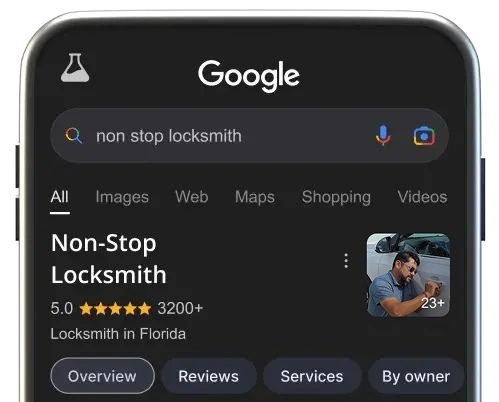
Trusted by 3200+ customers across Sarasota, Manatee & Charlotte Counties

Danny was great. He came back and installed a new gate lock with code here Perfect Very friendly and helpful. Patient. Danny was great!
Larry Steinhart
Danny was fast and efficient unlocking my door and resetting the code. Highly recommend his service!
Pamp P
Ivan Sotelo, came to my rescue when I lost my car keys! I was stranded at home for two days, finally, I made a call very late at night and he went to my house the next morning, did a great job, was super fast in the horrible heat, super polite and friendly, he also gives me the code of my car door and the service wasn’t as expensive as I was thinking! Thank you so much, Ivan! If you want a top-of-the-notch service, call and ask for Ivan.
Lula Molinelli
5.0 Customer Rating
5.0 Customer Rating
4.9 Customer Rating
5.0 Customer Rating
WHY CHOOSE NON-STOP LOCKSMITH?
We Are Fully Licensed And Insured

Fast Response
We understand that lockouts can’t wait. Our professional locksmiths serve Sarasota, Manatee, and Charlotte Counties with fast, reliable response, so you’re never left stranded for long.

Licensed & Insured
All our locksmiths are licensed, insured, and professionally trained. With accreditations from ALOA and the BBB, you’ll always get a qualified expert at your door.

Competitive Pricing
We believe that quality locksmith services should be affordable. We offer competitive pricing without compromising on the quality of our work.

Wide Range of Services
From emergency lockouts to re-keying and new lock installations, we handle it all with the right tools and expertise. Whatever your situation, we’ve got you covered.
Trusted & Verified by HomeAdvisor
Non-Stop Locksmith is backed by HomeAdvisor’s strict vetting and customer review system. With “Elite Service” and “Top Rated” status, you can feel confident knowing we’ve been verified as a reliable, professional choice trusted by homeowners year after year.





5.0 Customer Rating
5.0 Customer Rating
4.9 Customer Rating
5.0 Customer Rating
Expert Help to Change Lock Code in Sarasota
Contact us
Copyright © 2025 Non-stop Locksmith
Experience the thrill of real-time gaming with live dealers at Spinboss casino, where every hand dealt and every spin creates an electrifying casino atmosphere right from home.
Haben Sie schon die unglaublichen Jackpot-Möglichkeiten bei Casabet entdeckt? Spannende Slots und zahlreiche Gewinnchancen warten auf Sie in einer Welt voller Nervenkitzel.
Pin up uz skachat orqali jonli dilerlar bilan haqiqiy kazino muhitida o’ynang v pin up uz skachat a haqiqiy vaqt tajribalaridan bahramand bo’ling, bu sizga haqiqiy o’yin tuyg’usin.
If you crave the thrill of interacting with live dealers, join Ricky Casino to immerse yourself in an electrifying real-time casino atmosphere like never before.
Tauchen Sie ein in die spannende Welt des Glücksspiels mit einer riesigen Auswahl an Spielen und Anbietern in einem online casino mit schneller auszahlung, das Sicherheit und Zuve.
If you crave the thrill of live dealers and an authentic casino atmosphere, look no further than zizobet casino for a vibrant experience where every game unfolds in real-time.